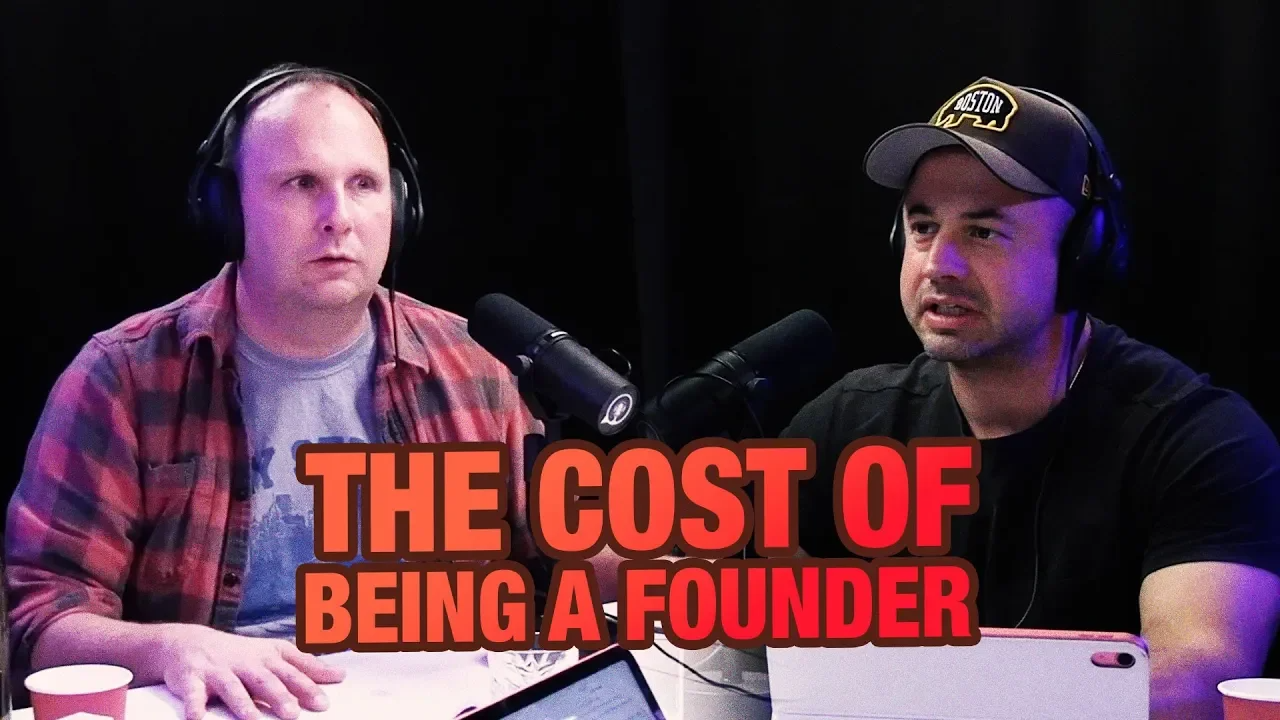
From Space Ape to Duolingo via Supercell: Simon Hade on Building, Pivoting, and the Price of Being a Founder
 Deconstructor of FunDecember 15, 20254 min read
In our latest podcast, Simon Hade takes us through one of the most instructive journeys in modern game development, from co-founding Space Ape with a battle-tested Playfish team, through Supercell's acquisition and the subsequent genre experimentation years, to the complexities of spinning out NextBeat out of Supercell, and finally landing at Duolingo, where he discovered engagement metrics that make gaming's best numbers look quaint. The Startup Cheat Code: a Ready-Made Team Space Ape's founding story offers a masterclass in team assembly. Simon and his co-founders had something most studios spend years trying to build: a complete team that had already shipped hits together at Playfish and EA.
"In a startup, hiring 10 good people who work well together is harder than raising millions or making a hit game," Simon explains. He calls it "the rarest startup cheat code" and still prioritizes bringing in people who've worked together before whenever possible. Their early strategy was equally pragmatic.
Space Ape deliberately copied Clash of Clans, which freed up resources to innovate where it mattered most: live ops for competitive players and early Unity adoption to beat Supercell to Android. The approach worked, Samurai Siege and Rival Kingdoms found their audiences, and Transformers Earth Wars eventually generated $150m lifetime revenue. The Supercell Years: 25 (Games) Hard Lessons When Supercell acquired Space Ape, the vision was clear: become their genre-experimentation studio.
Over five years, the team produced 25 games across nine genres : puzzles, music, MOBAs, RPGs, shooters, and racing. Simon describes building a culture of pivoting, though the podcast reveals the tension inherent in that mandate. None of those 25 games met Supercell's bar for global launch.
The eventual pivot toward fewer, more focused projects delivered commercial successes: Beatstar ($200m lifetime), Chrome Valley ($50m in year one), Transformers Earth Wars ($150m lifetime). But "commercially meaningful to Supercell" is a different bar entirely. Space Ape ultimately morphed into Supercell London, and the games were divested, including Beatstar, into what became NextBeat.
The Price of Being a Founder: NextBeat's Complexity The NextBeat spinout attempt offers a sobering look at founder reality. Music games had potential, but didn't align with Supercell's long-term direction. A management buyout seemed logical.
What followed was six months of navigating 72 stakeholders across labels, publishers, and investors. Simon is frank about the grinding complexity: "No single event killed the NextBeat spinout. It was the gradual realisation of how hard it would be.
Deconstructor of Fun
deconstructoroffun.com