The Future of Gaming: Engaging Gen Z
 Deconstructor of FunApril 7, 20255 min read
Is your game ready for Gen Z? Because they’re here, they play differently, and they’re reshaping the industry. By 2026, Gen Z will be the largest spending audience in gaming, and they’re already setting trends.
What Makes Gen Z Unique? Gen Z plays more than any other generation. Mobile gaming alone has grown by 9% since 2020, and 82% of them play on their phones, but they’re also active on PC and console.
More importantly, they’re ready to spend, surpassing Millennials and Gen X in gaming-related purchases. To understand what this means for developers, Michail Katkoff sat down with Tobias Knoke, Head of Gaming, EMEA at Google. Tobias shared deep insights into how Gen Z discovers, engages with, and spends on games, and what developers must do to capture their attention.
For a full deep dive, listen to the full podcast episode. But if you want the key takeaways, keep reading. The Passion Without Loyalty Paradox Gen Z is passionate about gaming, but not tied to specific titles.
Unlike Millennials, who might stick with one or two games for years, Gen Z hops between multiple titles at once. This completely changes how developers should think about retention. Instead of trying to keep players locked into a single game, Tobias suggests focusing on game ecosystems - a network of connected games that complement each other instead of competing for attention.
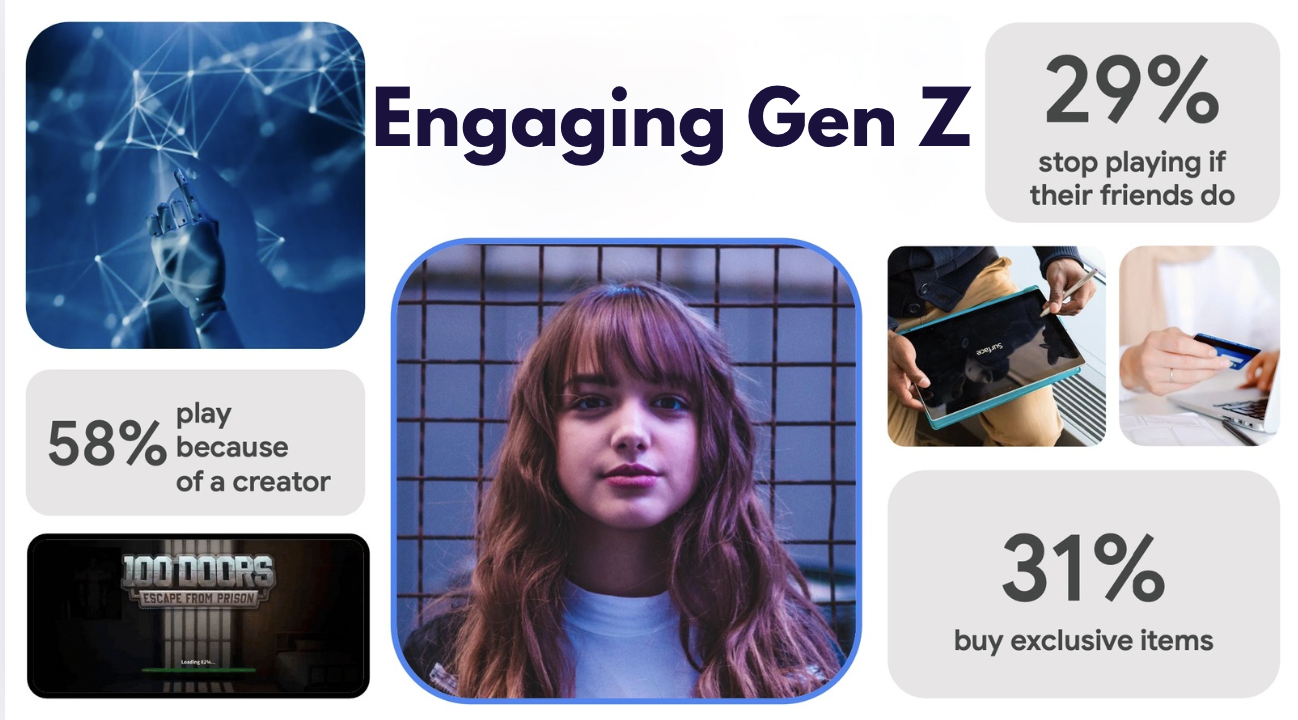
The goal isn’t to make them stay in one place, it’s to make sure they stay with you . The Creator Economy: The Primary Channel Traditional marketing still has its place, but for Gen Z, discovery happens elsewhere. Social media is the top way they find new games, and within that, video content.
especially from creators, is king. Compared to previous generations, they’re far more likely to try a game if a creator they follow is playing it. That’s why having a strong creator strategy is essential.
Companies like Supercell, Wargaming, and Ubisoft have nailed this by integrating creators at every stage: Development: Bringing creators in early for feedback and testing Launch: Partnering with authentic voices instead of running traditional ads Live Operations: Keeping creators involved with ongoing content and updates For smaller studios, Tobias suggests a simple first step: find the YouTubers already talking about your game, start a conversation, and test small collaborations . Mishka adds that the best partnerships feel organic, not transactional. The Social Circle Effect Beyond what’s trending in their feeds, Gen Z is deeply social when it comes to gaming.
Their friends play a huge role in what they play, and whether they keep playing. Let’s break it down: 34% of Gen Z plays games primarily to socialize (compared to 26% of other generations). They’re more likely than anyone else to quit or return to a game because of their friends.
Deconstructor of Fun
deconstructoroffun.com