Virexa
HomeAIProgrammingCloudSecurityOpen SourceGamesMobile GamesDeveloper Hub
Sign InSign Up
Virexa
Sign InSign Up
AIProgrammingCloudSecurityOpen SourceGamesMobile GamesDeveloper Hub
Virexa

Modern AI news aggregation and newsletter platform covering technology, business, AI, games and world news.

Categories

  • AI
  • Programming
  • Cloud
  • Security
  • Open Source
  • Developer Hub

Company

  • About
  • Contact
  • Advertise

Resources

  • RSS Feed
  • API
  • Privacy Policy
  • Terms of Service

© 2026 Virexa. All rights reserved.

Virexa
HomeAIProgrammingCloudSecurityOpen SourceGamesMobile GamesDeveloper Hub
Sign InSign Up
Virexa
Sign InSign Up
AIProgrammingCloudSecurityOpen SourceGamesMobile GamesDeveloper Hub
Virexa
HomeAIProgrammingCloudSecurityOpen SourceGamesMobile GamesDeveloper Hub
Sign InSign Up
Virexa
Sign InSign Up
AIProgrammingCloudSecurityOpen SourceGamesMobile GamesDeveloper Hub
Home›Search Results

Explore

Search Results

Enter a keyword in the search bar above to find articles, or use the filters to browse.

Filters

3,304 results • Page 213 of 276

Loyalty Platforms 101: The Complete Guide to Gaming's Fastest-Growing UA Channel
GamesTutorial

Loyalty Platforms 101: The Complete Guide to Gaming's Fastest-Growing UA Channel

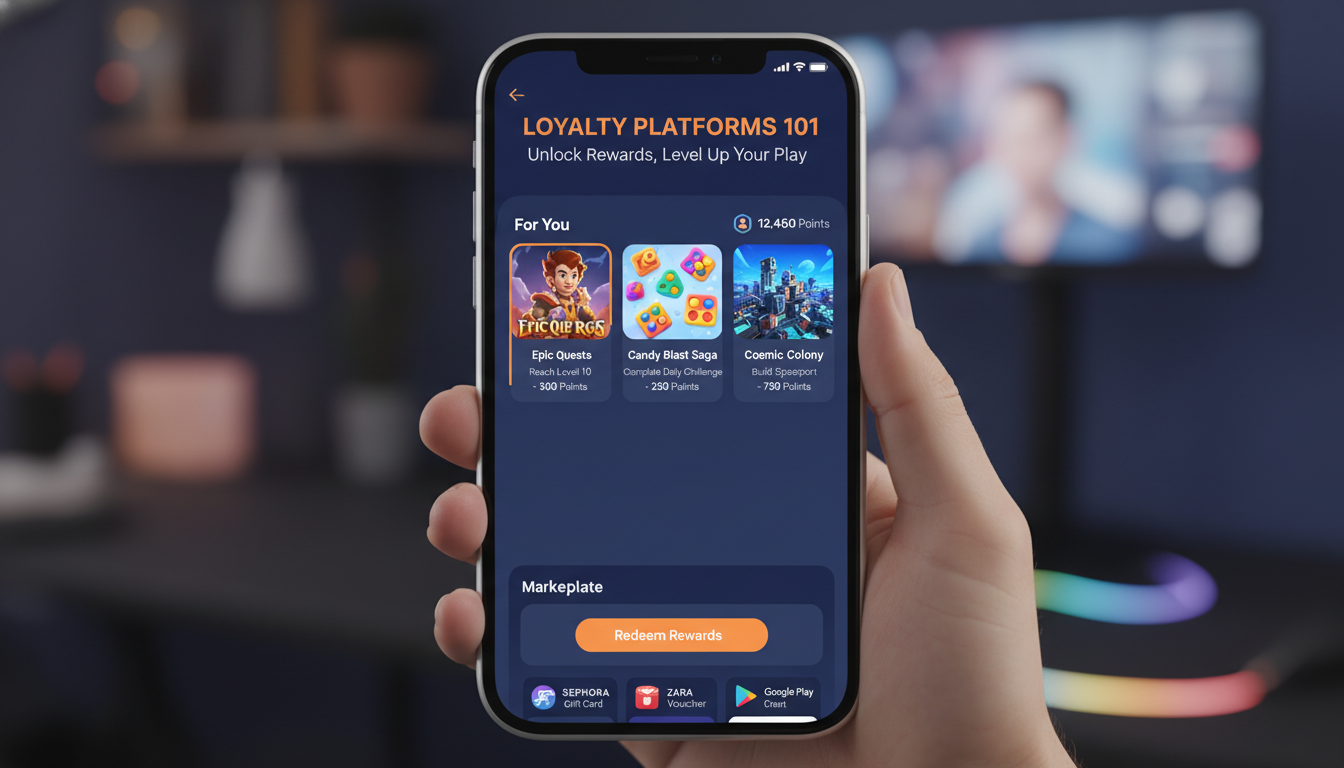
Why are major studios suddenly throwing a third of their media budgets at loyalty platforms? VYBS founder Ido Raz breaks down the channel everyone dismissed as "cheap installs" that's now fueling the industry's fastest growth.

Deconstructor of Fun·December 1, 2025·6 min read
How Three ‘Unfundable’ Engineers Built a $XXXM Company
Mobile GamesNews

How Three ‘Unfundable’ Engineers Built a $XXXM Company

Three backend engineers were told they were unfundable and building in a graveyard market. Ten years later, Heroic Labs is profitable, powers major game studios, and never raised VC money. Here's how they did it.

Deconstructor of Fun·November 24, 2025·10 min read
Antigravity and Firebase MCP accelerate app development
Mobile GamesTutorial

Antigravity and Firebase MCP accelerate app development

Learn how to enable the Firebase MCP server in Antigravity to accelerate app development

Firebase Blog·November 21, 2025·1 min read
How to Build an AI-First Culture with 1,300 People. Real Story.
AITutorial

How to Build an AI-First Culture with 1,300 People. Real Story.

Most companies tell employees to "figure out AI" on top of their regular work. AppsFlyer did the opposite. They made AI learning the work itself, and the results reveal why the top-down approach is failing.

Deconstructor of Fun·November 20, 2025·6 min read
Stronger threat detection, simpler integration: Protect your growth with the Play Integrity API
Mobile GamesCertification

Stronger threat detection, simpler integration: Protect your growth with the Play Integrity API

Posted by Dom Elliott – Principal Product Manager, Google Play and Eric Lynch - Senior Product Manager, Android Security In the mobile ecosystem, abuse can threaten your revenue, growth, and user trust. To help developers thrive, Google Play offers a resilient threat detection service, Play Integrity API . Play Integrity API helps you verify that interactions and server requests are genuine—coming from your unmodified app on a certified Android device, installed by Google Play. The impact is significant: apps using Play integrity features see 80% lower unauthorized usage on average compared to other apps. Today, leaders across diverse categories—including Uber, TikTok, Stripe, Kabam, Wooga, Radar.com, Zimperium, Paytm, and Remini—use it to help safeguard their businesses. We’re continuing to improve the Play Integrity API, making it easier to integrate, more resilient against sophisticated attacks, and better at recovering users who don’t meet integrity standards or encounter errors with new Play in-app remediation prompts. Detect threats to your business The Play Integrity API offers verdicts designed to detect specific threats that impact your bottom line during critical interactions. Unauthorized access : The accountDetails verdict helps you determine whether the user installed or paid for your app or game on Google Play. Code tampering : The appIntegrity verdict helps you determine whether you're interacting with your unmodified binary that Google Play recognizes. Risky devices and emulated environments : The deviceIntegrity verdict helps you determine whether your app is running on a genuine Play Protect certified Android device or a genuine instance of Google Play Games for PC. Unpatched devices : For devices running Android 13 and higher, MEETS_STRONG_INTEGRITY response in the deviceIntegrity verdict helps you determine if a device has applied recent security updates. You can also opt in to deviceAttributes to include the attested Android SDK version in the response. Risky access by other apps: The appAccessRiskVerdict helps you determine whether apps are running that could be used to capture the screen, display overlays, or control the device (for example, by misusing the accessibility permission). This verdict automatically excludes apps that serve genuine accessibility purposes. Known malware: The playProtectVerdict helps you determine whether Google Play Protect is turned on and whether it has found risky or dangerous apps installed on the device. Hyperactivity: The recentDeviceActivity level helps you determine whether a device has made an anomalously high volume of integrity token requests recently, which could indicate automated traffic and could be a sign of attack. Repeat abuse and reused devices: deviceRecall (beta) helps you determine whether you're interacting with a device that you've previously flagged, even if your app was reinstalled or the device was reset. With device recall, you can customize the repeat actions you want to track. The API can be used across Android form factors including phones, tablets, foldables, Android Auto, Android TV, Android XR, ChromeOS, Wear OS, and on Google Play Games for PC. Make the most of Play Integrity API Apps and games have found success with the Play Integrity API by following the security considerations and taking a phased approach to their anti-abuse strategy. Step 1: Decide what you want to protect : Decide what actions and server requests in your apps and games are important to verify and protect. For example, you could perform integrity checks when a user is launching the app, signing in, joining a multiplayer game, generating AI content, or transferring money. Step 2: Collect integrity verdict responses : Perform integrity checks at important moments to start collecting verdict data, without enforcement initially. That way you can analyze the responses for your install base and see how they correlate with your existing abuse signals and historical abuse data. Step 3: Decide on your enforcement strategy : Decide on your enforcement strategy based on your analysis of the responses and what you are trying to protect. For example, you could change risky traffic at important moments to protect sensitive functionality. The API offers a range of responses so you can implement a tiered enforcement strategy based on the trust level you give to each combination of responses. Step 4: Gradually rollout enforcement and support your users: Gradually roll out enforcement. Have a retry strategy when verdicts have issues or are unavailable and be prepared to support good users who have issues. The new Play in-app remediation prompts, described below, make it easier than ever to get users with issues back to a good state. NEW: Let Play recover users with issues automatically Deciding how to respond to different integrity signals can be complex, you need to handle various integrity responses and API error codes (like network issues or outdated Play services). We’re simplifying this with new Play in-app remediation prompts . You can show a Google Play prompt to your users to automatically fix a wide range of issues directly within your app. This reduces integration complexity, ensures a consistent user interface, and helps get more users back to a good state. GET_INTEGRITY automatically detects the issue (in this example, a network error) and resolves it. You can trigger the GET_INTEGRITY dialog, available in Play Integrity API library version 1.5.0+, after a range of issues to automatically guide the user through the necessary fixes including: Unauthorized access: GET_INTEGRITY guides the user back to a Play licensed response in accountDetails . Code tampering: GET_INTEGRITY guides the user back to a Play recognized response in appIntegrity . Device integrity issues: GET_INTEGRITY guides the user on how to get back to the MEETS_DEVICE_INTEGRITY state in deviceIntegrity .  Remediable error codes: GET_INTEGRITY resolves remediable API errors, such as prompting the user to fix network connectivity or update Google Play Services. We also offer specialized dialogs including GET_STRONG_INTEGRITY (which works like GET_INTEGRITY while also getting the user back to the MEETS_STRONG_INTEGRITY state with no known malware issues in the playProtectVerdict ), GET_LICENSED (which gets the user back to a Play licensed and Play recognized state), and CLOSE_UNKNOWN_ACCESS_RISK and CLOSE_ALL_ACCESS_RISK (which prompt the user to close potentially risky apps). Choose modern integrity solutions In addition to Play Integrity API, Google offers several other features to consider as part of your overall anti-abuse strategy . Both Play Integrity API and Play’s automatic protection offer user experience and developer benefits for safeguarding app distribution. We encourage existing apps to migrate to these modern integrity solutions instead of using the  legacy Play licensing library . Automatic protection: Prevent unauthorized access with Google Play’s automatic protection and ensure users continue getting your official app updates. Turn it on and Google Play will automatically add an installer check to your app’s code, with no developer integration work required. If your protected app is redistributed or shared through another channel, then the user will be prompted to get your app from Google Play. Eligible Play developers also have access to Play’s advanced anti-tamper protection, which uses obfuscation and runtime checks to make it harder and costlier for attackers to modify and redistribute protected apps. Android platform key attestation: Play Integrity API is the recommended way to benefit from hardware-backed Android platform key attestation . Play Integrity API takes care of the underlying implementation across the device ecosystem, Play automatically mitigates key-related issues and outages, and you can use the API to detect other threats. Developers who directly implement key attestation instead of relying on Play Integrity API should prepare for the upcoming Android Platform root certificate rotation in February 2026 to avoid disruption (developers using Play Integrity API do not need to take any action). Firebase App Check : Developers using Firebase can use Firebase App Check to receive an app and device integrity verdict powered by Play Integrity API on certified Android devices, along with responses from other platform attestation providers. To detect all other threats and use other Play features, integrate Play Integrity API directly. reCAPTCHA Enterprise : Enterprise customers looking for a complete fraud and bot management solution can purchase reCAPTCHA Enterprise for mobile. reCAPTCHA Enterprise uses some of Play Integrity API’s anti-abuse signals, and combines them with reCAPTCHA signals out of the box. Safeguard your business today With a strong foundation in hardware-backed security and new automated remediation dialogs simplifying integration, the Play Integrity API is an essential tool for protecting your growth. Get started with the Play Integrity API documentation .

Bring any idea to life with Gemini 3 and Firebase AI Logic
AINews

Bring any idea to life with Gemini 3 and Firebase AI Logic

Firebase Blog·November 18, 2025·1 min read
The Game Analytics Masterclass
Mobile GamesNews

The Game Analytics Masterclass

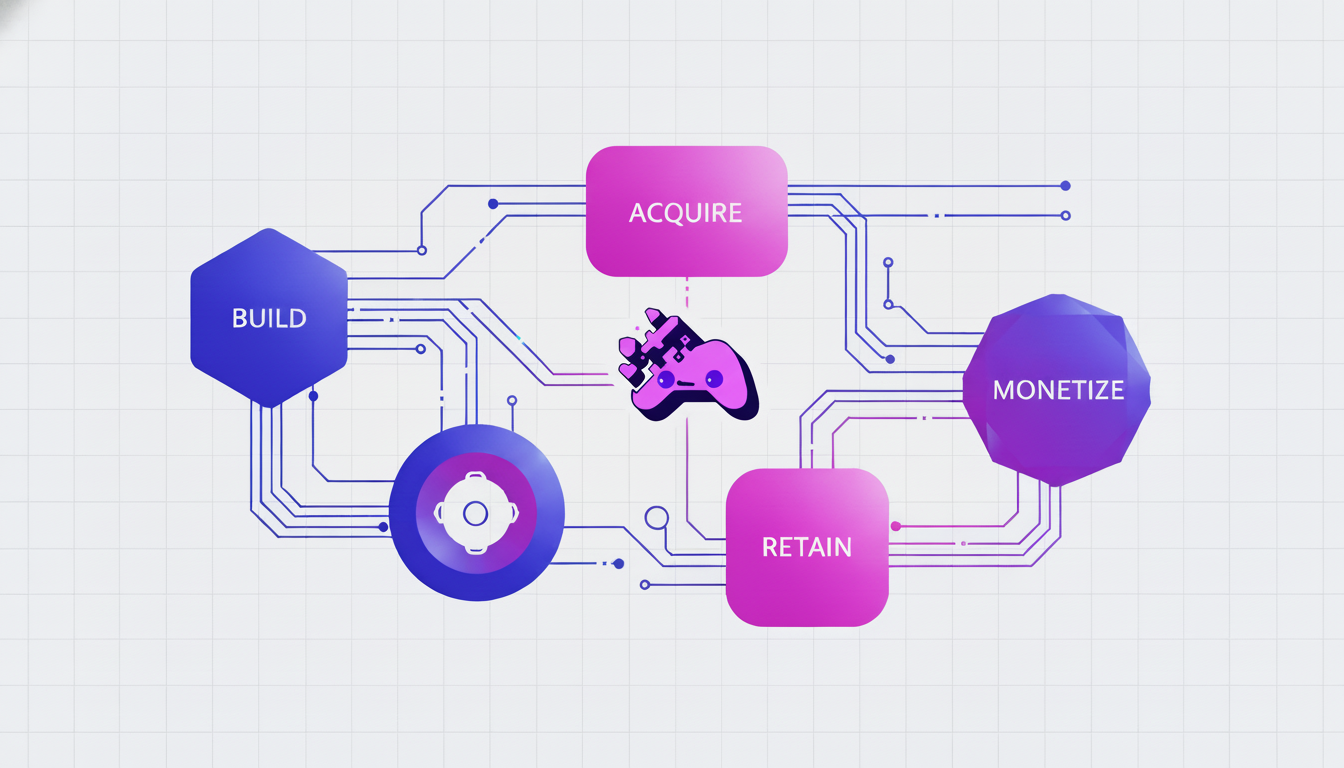
A decade after that first pitch meeting at Rovio, the fully realized vision: how top studios use analytics to reduce decision latency and see truth before competitors even react.

Deconstructor of Fun·November 17, 2025·8 min read
Data Connect: Event Triggers and Generated Admin SDKs
Mobile GamesNews

Data Connect: Event Triggers and Generated Admin SDKs

Firebase Blog·November 17, 2025·1 min read
Debugging native crashes on Android just got easier with Crashlytics
MobileNews

Debugging native crashes on Android just got easier with Crashlytics

Firebase Blog·November 14, 2025·1 min read
Securing a retail AI endpoint from abuse for virtual try on
AITutorial

Securing a retail AI endpoint from abuse for virtual try on

Learn how to protect expensive AI features from abuse using Firebase App Check, Authentication, and rate limiting to ensure only legitimate users can access them.

Firebase Blog·November 11, 2025·1 min read
Raising the bar on battery performance: excessive partial wake locks metric is now out of beta
Mobile GamesNews

Raising the bar on battery performance: excessive partial wake locks metric is now out of beta

Posted by Karan Jhavar - Product Manager, Android Frameworks, Dan Brown - Product Manager, Google Play, and Eric Brenner - Software Engineer, Google Play A great user experience is built on a foundation of strong technical performance. We are committed to helping you create stable, responsive, and efficient apps that users love. Excessive battery drain is top of mind for your users, and together, we are taking significant steps to help you build more power-efficient apps. Earlier this year, we introduced a new beta metric in Android vitals, excessive partial wake locks , to help you identify and address sources of battery drain. This initial beta metric was co-developed in close collaboration with Samsung , combining their deep, real-world insights into user experience with battery consumption with Android's platform data. We want to thank you for providing invaluable feedback during the beta period. Powered by your input and our continued collaboration with Samsung, we have further refined the algorithm to be even more accurate and representative. We are excited to announce that this refined metric is now generally available as a new core vitals metric to all developers in Android vitals. We have defined a bad behavior threshold for excessive wake locks. Starting March 1, 2026, if your title does not meet this quality threshold, we may exclude the title from prominent discovery surfaces such as recommendations. In some cases, we may display a warning on your store listing to indicate to users that your app may cause excessive battery drain. GOOGLE PLAY'S CORE TECHNICAL QUALITY METRICS To maximize visibility on Google Play, keep your app below the bad behavior thresholds for these metrics. User-perceived crash rate The percentage of daily active users who experienced at least one crash that is likely to have been noticeable User-perceived ANR rate The percentage of daily active users who experienced at least one ANR that is likely to have been noticeable Excessive battery usage The percentage of watch face sessions where battery usage exceeds 4.44% per hour New: Excessive partial wake locks The percentage of user sessions where cumulative, non-exempt wake lock usage exceeds 2 hours Excessive partial wake locks newly join the technical quality bars that Play expects all titles to maintain for a great user experience This is the first in a series of new metrics designed to provide deeper insight into your app's resource utilization, enabling you to improve the experience for your users across the entire Android ecosystem. 1. Aligning our definition of excessive wake locks with user expectations Apps can hold wake locks to prevent the user's device from entering sleep mode, letting the apps perform background work while the screen is off. We consider a user session excessive if it holds more than 2 cumulative hours of non-exempt wake locks in a 24 hour period. These excessive sessions are a heavy contributor to battery drain. A wake lock is exempted if it is a system held wake lock that offers clear user benefits that cannot be further optimized, such as audio playback or user-initiated data transfer. The bad behaviour threshold is crossed when 5% of an app’s user sessions over the last 28 days are excessive. If your app exceeds this threshold, you will be alerted directly on your Android vitals overview page . You can read more information about our definition on the Android Developer pages . Android vitals will alert you to excessive wake lock issues and provide a table of wake lock tags to P90/ P99 duration to help you identify the source by wake lock name. To help you understand your app’s partial wake lock usage, we are enhancing the excessive partial wake locks page in Android vitals with a new wake lock names table. This table breaks down wake lock sessions by their specific tag names and durations, allowing you to easily identify long wake locks in your local development environment, like Android Studio, for easier debugging. You should investigate any wake locks with P90 or P99 durations above 60 minutes. 2.  Excessive wake locks and their impact on Google Play visibility If your title exceeds the bad behavior threshold for excessive wake locks, it may be ineligible for some discovery surfaces where users find new apps and games. In some cases, we may also show a warning on your store listing to inform users that your app may cause their device's battery to drain faster. Users may see a warning on your store listing if your app exceeds the bad behavior threshold. Note: The exact text and design are subject to change. We know making technical changes to your app’s code and how it works can be time consuming, so we are making the metric available for you to diagnose and fix potential issues now, with time before the Store visibility changes begin, starting from March 1, 2026. 3. What to do next We encourage you to take the following steps to ensure your app delivers a great experience for users: Visit Android vitals : Review your app's performance on the new excessive partial wake locks metric. The metric is now visible to all developers whose apps have wake lock sessions. Discover excessive partial wake locks : Use the new wake lock names table to identify excessive partial wake locks.  Consult the documentation: For detailed guidance on best practices and fixing common issues, please check out our technical blog post , technical video and updated developer documentation on wake locks . Thank you for your continued partnership in building high-quality, performant experiences that users can rely on every day.

Inside Squad Busters’ $150 Million Experiment
Mobile GamesNews

Inside Squad Busters’ $150 Million Experiment

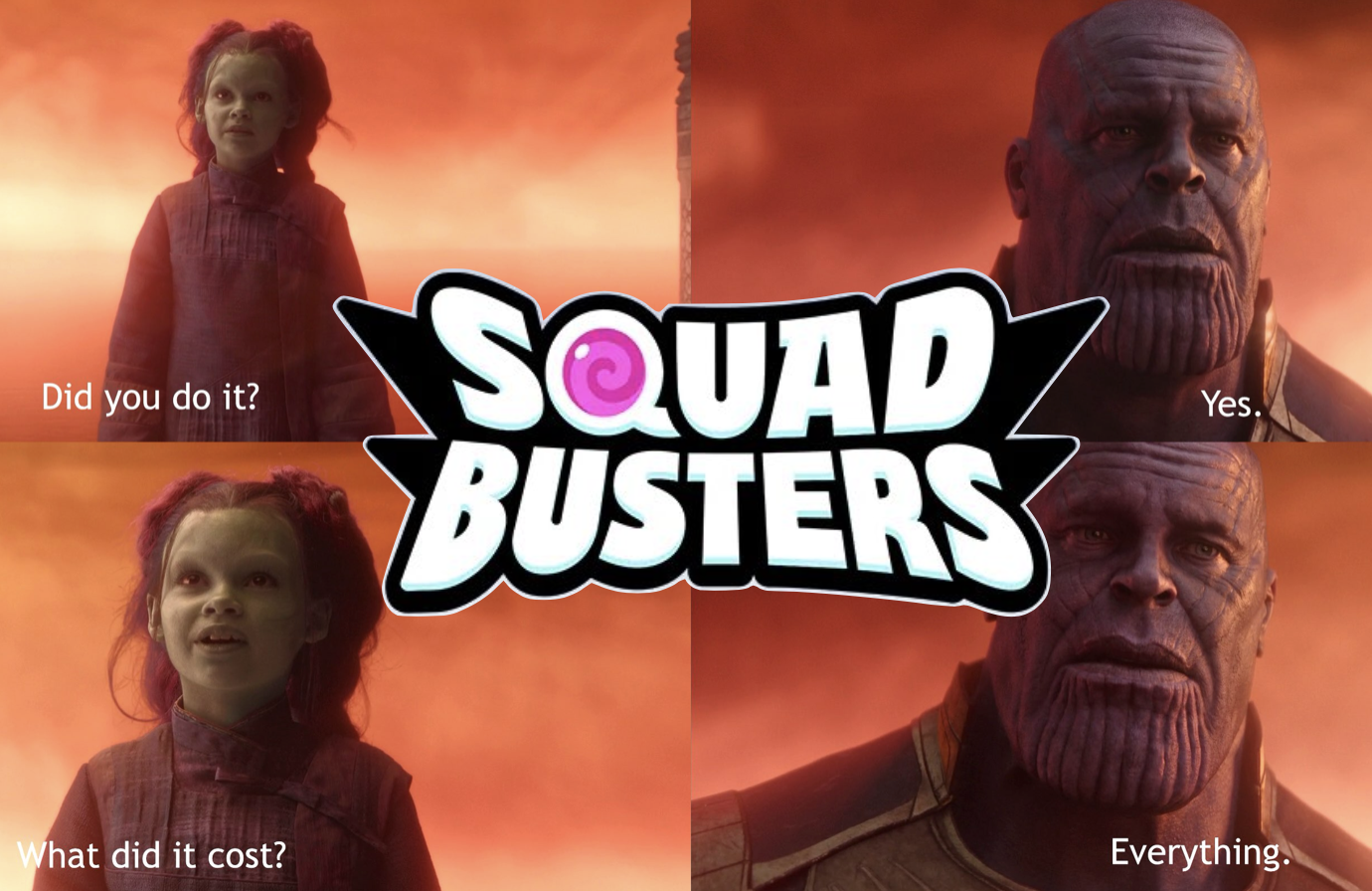
Supercell went all-in on Squad Busters with Hollywood talent, no soft launch, and a $150M budget. It didn't work out. Here's why it still mattered.

Deconstructor of Fun·November 10, 2025·7 min read
← Previous1…211212213214215…276Next →
🔥

Developer Pulse

What developers are discussing today

  • GPT-5.5 API↗9.4K
  • Next.js 16↗6.2K
  • Claude Code↗5.8K
  • Kubernetes→3.4K
  • Rust↗2.7K
Android Developers Blog·November 19, 2025·7 min read
Android Developers Blog·November 10, 2025·5 min read
Zero-Day
↘2K
💬

Top Discussion

HN

Hacker News

“GPT-5.5's API pricing is reshaping how startups build AI products”

14.1K932 comments
View discussion→

Filters

Time
Categories
Sources
Content Type